
Contents
Overview
An NFT is a unique digital identifier that is recorded on a blockchain, such as Polygon or Solana. The use of blockchain technology provides a secure and transparent way to verify ownership and provenance. For example, the NFT marketplace has made it easier for creators to sell and trade their digital assets, using platforms like Rarible or Foundation.
🔬 How It Works (Mechanics)
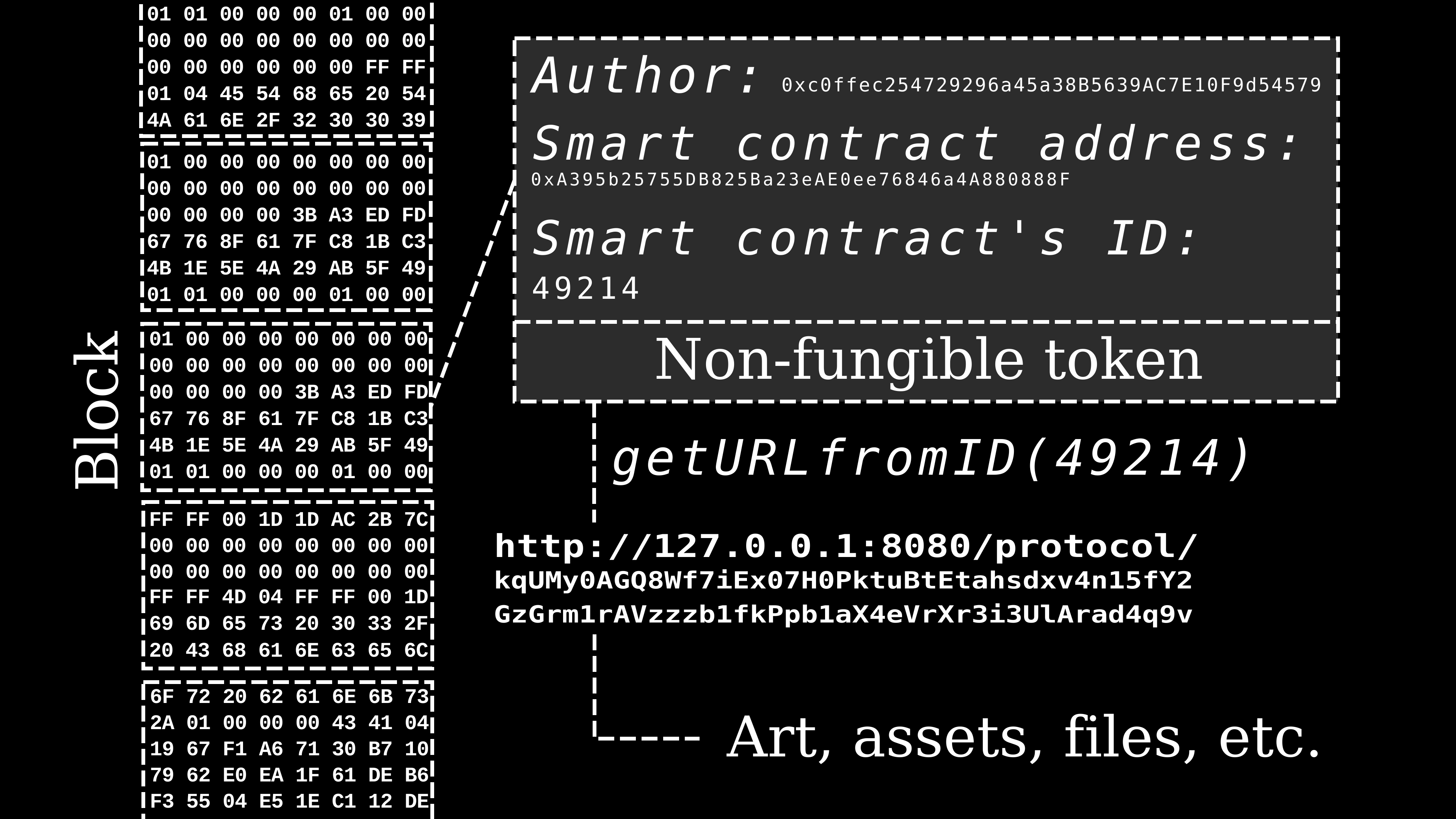
The mechanics of NFTs are based on blockchain technology, which allows for the creation of a unique digital identifier that is recorded on a public ledger. This identifier is used to certify ownership and can be transferred by the owner, allowing NFTs to be sold and traded, using marketplaces like NFT marketplace.
📊 Key Facts, Numbers & Statistics
Key statistics and numbers related to NFTs are not available due to the volatile nature of the market.
🌍 Real-World Examples & Use Cases
Real-world examples of NFTs include digital artwork, music, and virtual real estate, which can be bought, sold, and traded like other assets, using marketplaces like OpenSea or Rarible. NFTs have also been used in various other applications, such as digital collectibles.
📈 History & Evolution
The history and evolution of NFTs are tied to the development of blockchain technology. The launch of platforms like CryptoKitties allowed users to buy, sell, and trade unique digital cats.
⚡ Current State & Latest Developments
The current state and latest developments in the NFT market are uncertain, with proponents arguing that NFTs provide a new class of investment asset and a way for creators to monetize their digital content.
🔮 Why It Matters & Future Outlook
The future outlook for NFTs is uncertain, with some critics arguing that they are a bubble or a Ponzi scheme, while proponents argue that they provide a new class of investment asset and a way for creators to monetize their digital content. The use of blockchain technology has the potential to disrupt various industries, such as the music industry or art market.
🤔 Common Misconceptions
Common misconceptions about NFTs include the idea that they are only for digital art, when in fact they can be used for various types of digital assets, such as music, videos, or virtual real estate. Another misconception is that NFTs are not secure, when in fact they are recorded on a blockchain, which provides a secure and transparent way to verify ownership and provenance.
Key Facts
- Origin
- Blockchain technology
- Category
- utility-patents
- Type
- concept
- Format
- what-is
Frequently Asked Questions
What is an NFT?
An NFT, or non-fungible token, is a unique digital identifier recorded on a blockchain.
How do NFTs work?
NFTs are based on blockchain technology, which allows for the creation of a unique digital identifier that is recorded on a public ledger.